
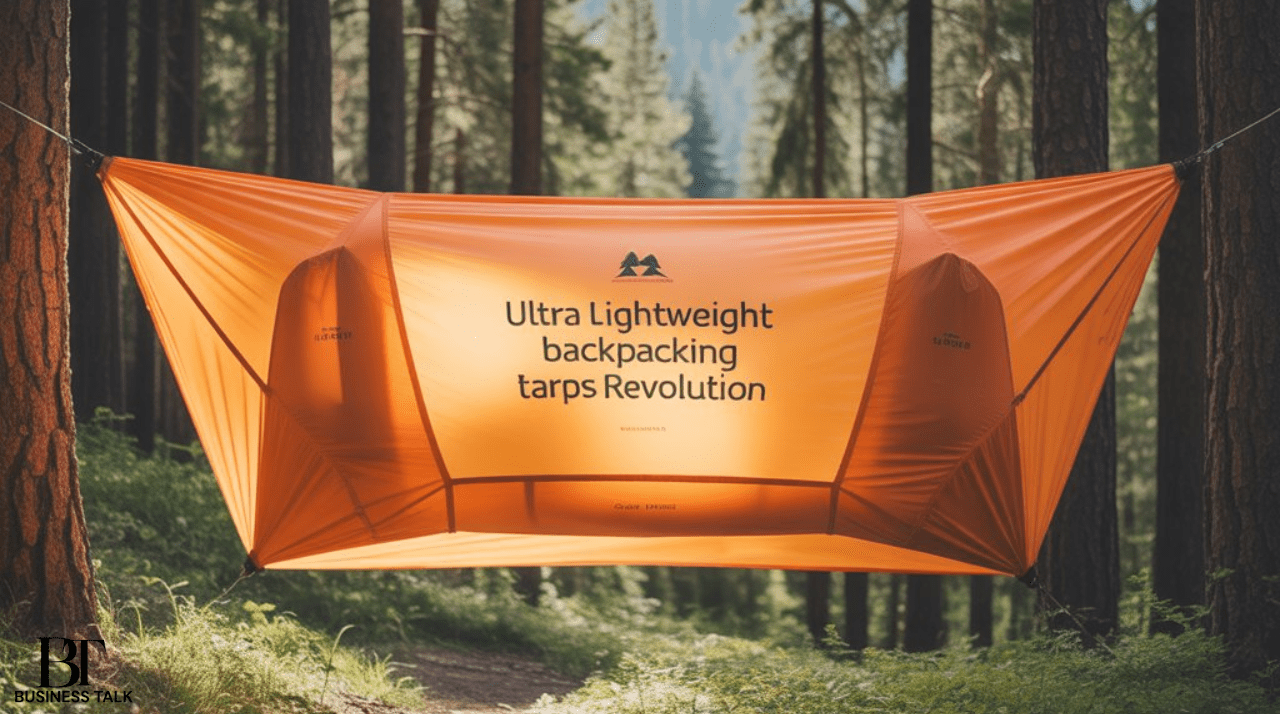
Introduction: The Power of Ultra Lightweight Backpacking Tarps
For outdoor enthusiasts, adventure begins where the road ends. Whether hiking rugged mountain trails or camping under star-filled skies, travelers know that every ounce matters. That’s where ultra lightweight backpacking tarps revolutionize the experience. These minimal yet mighty pieces of gear provide essential protection from the elements without weighing you down.
The trend toward ultra lightweight backpacking tarps has grown rapidly among ultralight hikers, thru-hikers, and minimalist adventurers who value freedom, efficiency, and mobility. Beyond just shelter, these tarps represent a philosophy — one that prioritizes simplicity, adaptability, and environmental harmony. As more people embrace eco-friendly and low-impact travel, tarps have become a symbol of balance between performance and sustainability.
The Evolution of Minimalist Backpacking Gear
In the early days of backpacking, heavy canvas tents dominated the scene. They were durable but bulky, making long treks exhausting. Over the past two decades, advancements in materials science and outdoor engineering have transformed how adventurers pack and camp.
Today’s ultra lightweight backpacking tarps are built from cutting-edge materials like Dyneema Composite Fabric (DCF) and silnylon, which combine strength, waterproofing, and featherlight weight. Many models weigh less than a pound yet withstand wind, rain, and snow.
According to Dr. Matthew Gifford, an outdoor gear specialist and researcher at Colorado State University:
“Weight reduction in outdoor gear isn’t just about comfort; it’s about expanding endurance and increasing safety through smarter design.”
This statement captures the essence of ultralight innovation — making adventures longer, safer, and more enjoyable through thoughtful engineering.
Why These Tarps Matter for Modern Hikers
Every serious backpacker knows that gear can make or break a trip. Ultra lightweight backpacking tarps are more than just an optional accessory; they are a fundamental part of efficient wilderness travel.
The most obvious benefit is the drastic reduction in weight and bulk. Traditional tents can weigh up to 5 pounds or more, while ultra lightweight backpacking tarps can weigh less than a single pound. This weight difference translates to increased endurance, allowing hikers to cover more ground with less fatigue.
Another major benefit is quick setup and flexibility. Unlike bulky tents, tarps can be pitched in countless ways — using trekking poles, trees, or rocks for support. This versatility allows adventurers to adapt quickly to changing terrain and weather conditions.
Furthermore, these tarps offer excellent breathability compared to enclosed tents. With improved airflow and reduced condensation, campers enjoy a dry, comfortable night’s rest. The move toward sustainability also makes tarps an eco-conscious choice, as many brands use recycled materials and sustainable production processes.
The Science Behind Lightweight Shelter Materials
The engineering behind these tarps is remarkable. Materials like Dyneema (previously known as Cuben Fiber) are not only light but also incredibly strong and UV-resistant. Silnylon, on the other hand, offers a cost-effective balance of weight and durability.
Researchers in the Journal of Outdoor Product Design report that waterproof fabric coatings have improved by 40% in the last decade, ensuring better resistance to moisture and wear. Advancements in nanocoating technology have also made modern tarps more resilient to harsh conditions, proving that lightweight doesn’t mean fragile.
Expert Insights and Lessons from the Trail
Professional backpacker and author Karen Sloane highlights the deeper meaning behind ultralight travel:
“Ultra lightweight backpacking tarps teach you to trust simplicity. They strip away excess and remind you that freedom comes from less, not more.”
Sloane’s insight perfectly sums up the ultralight philosophy. Learning to use a tarp properly isn’t just a camping skill — it’s a mindset. It teaches adaptability, problem-solving, and respect for the environment. Many thru-hikers say mastering tarp setup is one of the most rewarding parts of backpacking.
Avoiding Common Mistakes When Using Tarps
Even experienced hikers face challenges when transitioning from tents to tarps. Common mistakes include poor site selection, loose guylines, or overlooking wind direction. The key to success is practice and preparation.
Set up your tarp multiple times before your trip, experiment with angles, and learn how to tension lines properly. Avoid overcomplicating your setup with unnecessary accessories — the spirit of ultralight travel is about doing more with less.
By mastering these fundamentals, you’ll gain confidence and comfort in any environment, from damp forests to exposed mountain ridges.
Integrating Minimalism into Modern Outdoor Adventures
Minimalist backpacking is not just a style — it’s a movement. The rise of ultra lightweight backpacking tarps reflects a deeper shift toward mindful, low-impact living. Using tarps brings travelers closer to nature by removing barriers and allowing a direct experience of the outdoors.
Instead of isolating yourself inside heavy, enclosed shelters, a tarp connects you to the landscape — you can watch the stars, hear the forest, and feel the wind. This intimate connection embodies the true spirit of adventure.
Moreover, minimalist travel aligns with sustainability goals. Lighter packs reduce strain, minimize environmental impact, and encourage appreciation for natural surroundings. It’s not just about gear — it’s about values.
The Future of Ultra Lightweight Backpacking Tarps
The future looks bright — and lighter — for ultralight gear. Ongoing research into smart textiles, self-healing fabrics, and solar-integrated tarps suggests that the next generation of shelters will be stronger, more efficient, and energy-generating.
A recent study in Applied Materials Today predicts that nanofiber tarps will be 25% lighter while offering 50% more durability. These innovations promise a future where performance and sustainability coexist seamlessly.
For the modern traveler, this means one thing: freedom without compromise.
Conclusion: Redefining Freedom Through Lightness
At its heart, the story of ultra lightweight backpacking tarps is about freedom — freedom from weight, from limits, and from excess. These tarps represent a mindset of simplicity, innovation, and respect for nature.
They prove that adventure doesn’t have to mean carrying more — sometimes, it’s about carrying less and experiencing more. For anyone planning their next expedition, choosing an ultra lightweight backpacking tarp isn’t just a gear decision; it’s a lifestyle choice.
In the world of outdoor travel, less truly is more.




Pingback: Ronin Stegner Lighting Design: 6 Illuminating Secrets Transforming Visual Storytelling
Pingback: Besetzung von Das Reservat: Die Stars des dänischen Thrillers - FASHIONABLE STYLE