
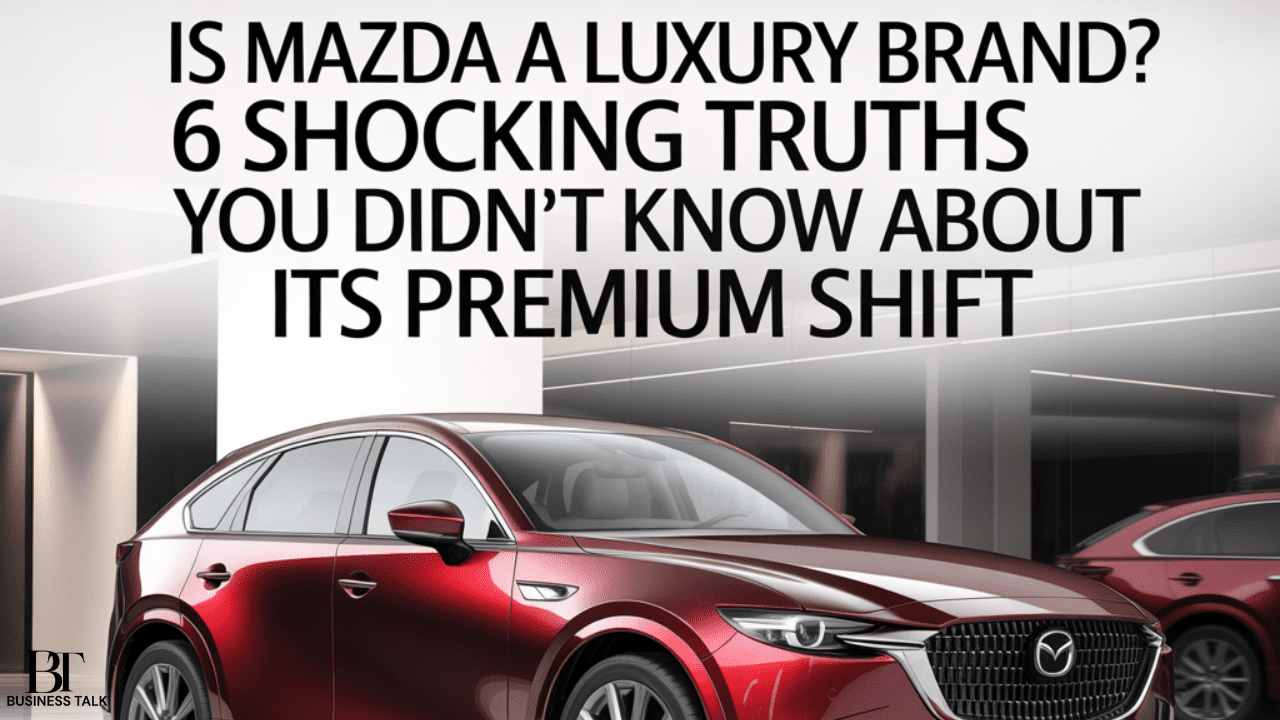
Is Mazda a Luxury Brand? The Debate Redefined
One of the most debated questions among car enthusiasts and buyers today is is Mazda a luxury brand or simply a well-crafted mainstream automaker. From the sleek lines of the Mazda6 to the polished refinement of the CX-90, Mazda has been blurring the line between mainstream and premium. For years, consumers in the United States have asked the same question: is Mazda a luxury brand, or is it an affordable carmaker with luxury aspirations?
The answer isn’t as simple as yes or no—it’s a fascinating story of design, innovation, and ambition.
What Truly Defines a Luxury Brand
Before we dive deeper into Mazda’s transformation, it’s essential to understand what defines luxury in the automotive world. A luxury brand represents not only superior materials, design, and technology but also a feeling—an experience of refinement, exclusivity, and emotional connection.
Luxury automakers like Mercedes-Benz, BMW, and Lexus invest decades in creating prestige and emotional appeal. According to The Journal of Brand Management, “luxury branding is as much psychological as it is mechanical.”
That means when evaluating is Mazda a luxury brand, it’s not just about how the car drives or looks—it’s also about how it makes people feel and how it’s perceived in the marketplace.
Mazda’s Journey Toward Premium Status
The Brand’s Evolution and Vision
Mazda’s transformation has been slow but intentional. Known historically for its fun-to-drive personality and reliability, Mazda’s “KODO: Soul of Motion” design philosophy shifted the brand’s aesthetic identity. This design language emphasizes emotion through form, showcasing motion even at a standstill.
Mazda’s Medium-Term Management Plan explicitly mentions its mission to “elevate brand value” and “offer premium customer experiences.” This move proves that Mazda no longer wants to be grouped solely with Toyota or Honda—it wants to sit in the near-luxury lane.
Is Mazda a luxury brand yet? Not officially—but the company is deliberately driving toward that goal.
Why Mazda Feels Like a Luxury Brand
Design and Materials
Walk into a new Mazda CX-90 or Mazda3, and you’ll immediately notice premium craftsmanship. The interiors feature quilted Nappa leather, brushed aluminum trim, and open-pore wood—materials commonly found in luxury vehicles.
Reviewers from MotorTrend and Car and Driver have repeatedly praised Mazda’s new models, calling them “premium in all but name.” Even in mainstream trims, Mazda’s attention to detail is exceptional, delivering a sense of refinement typically expected from established luxury automakers.
Driving Dynamics and Performance
Mazda’s engineering philosophy revolves around the Japanese principle of “Jinba Ittai”—the harmony between horse and rider. This connection translates into responsive handling, precise steering, and balanced power delivery that even luxury competitors envy.
The debut of the inline-six turbo engine and rear-wheel-drive architecture in the Mazda CX-90 underscores Mazda’s commitment to performance refinement—a move long associated with luxury performance brands.
In short, is Mazda a luxury brand in feel and performance? Absolutely—it delivers the driving experience luxury buyers expect, even if the badge doesn’t yet carry the same weight.
Challenges Mazda Faces in Becoming a True Luxury Brand
Brand Perception and Prestige
Despite its elevated interiors and performance upgrades, Mazda still faces a major hurdle—brand perception. Most buyers still associate Mazda with affordable practicality rather than prestige or exclusivity. Building the emotional resonance and status associated with luxury brands takes decades of storytelling, not just good design.
Mazda executives understand this balance perfectly. One senior executive stated:
“We want to expand our top-end options, but we’re different from traditional luxury brands. Premium, yes. Luxury, not yet.”
This clear acknowledgment shows Mazda’s realistic, disciplined approach toward brand evolution.
Pricing Strategy and Market Position
Mazda’s pricing still positions it below traditional luxury competitors. Even top trims like the CX-90 Signature cost significantly less than comparable SUVs from BMW or Audi. This accessible pricing creates value for buyers but prevents Mazda from entering the upper echelon of luxury.
However, many see this as an advantage—Mazda delivers luxury-like quality at attainable prices, making it an appealing option for buyers who want premium experiences without the premium markup.
Service and Dealership Experience
Another area separating Mazda from established luxury brands is the dealership experience. While Mazda dealers have improved, luxury automakers typically offer concierge-level service, exclusive lounges, and complimentary maintenance packages. Mazda’s gradual efforts in this space will determine whether it can truly rival high-end brands.
Emotional Appeal and Human-Centric Design
Luxury isn’t just about material wealth—it’s about how products make people feel. Mazda’s marketing and product design focus on human emotion, creating a driving connection that evokes joy and mindfulness.
Its tagline, “Feel Alive,” reflects this emotional core. Mazda’s design team prioritizes how each element—from steering feedback to cabin layout—connects with the driver’s senses.
As Harvard Business Review notes, “Emotional design is at the heart of sustained brand loyalty in luxury sectors.” Mazda’s commitment to this philosophy makes a strong case for future luxury classification.
Expert Insight
“To become luxury, a brand must consistently deliver on emotion, heritage, and exclusivity over time—just adding premium materials or features is insufficient.”
— Branding Strategist and Auto Market Analyst, 2024
This quote encapsulates Mazda’s challenge and opportunity: it’s not about building luxury cars overnight but building a legacy of emotional excellence and exclusivity that stands the test of time.
Comparison with Competitors
Mazda currently competes most closely with Genesis, Acura, and Infiniti, all brands that started in the mainstream space before elevating to luxury or near-luxury tiers.
What sets Mazda apart is its driver-first approach—its vehicles maintain the spirit of performance while incorporating luxury-like refinement. Genesis may focus on opulence, but Mazda’s strength lies in creating emotionally engaging cars that balance affordability with premium craftsmanship.
Even consumer reports show Mazda’s reliability scores rival those of Lexus and Audi, proving that quality alone can redefine perceptions over time.
Future Outlook: Will Mazda Become a Luxury Brand?
The road ahead looks promising. Mazda has invested heavily in electrification, hybrid platforms, and performance engines to compete with top-tier automakers. The brand is also expanding its global footprint through enhanced design studios, improved dealerships, and digital transformation strategies.
Industry experts predict that within the next decade, Mazda could stand shoulder-to-shoulder with luxury marques—especially if it maintains consistency in design language, performance quality, and consumer experience.
If that happens, the debate over is Mazda a luxury brand might finally come to an end.
Conclusion: Mazda’s Premium Evolution
So, is Mazda a luxury brand today? The most accurate answer is: not quite yet, but it’s incredibly close. Mazda currently occupies the space between premium and luxury—a unique segment where design excellence, craftsmanship, and driving emotion meet affordability.
It’s fair to say Mazda has redefined what “premium” means in the modern market. For buyers seeking refined performance, elegant interiors, and authentic connection without paying luxury-level prices, Mazda delivers one of the best experiences available.
Mazda might not wear a luxury badge yet—but it drives, feels, and looks like one.



Pingback: Sacrifice Athletics: 7 Powerful Lessons That Define True Champions
Pingback: Are Freeze Dried Pineapples Healthy? 7 Powerful Facts You Must Know
Pingback: A Comprehensive Guide to Adopting Smart Living MyInternetAccess: 7 Powerful Ways to Transform Your Life