
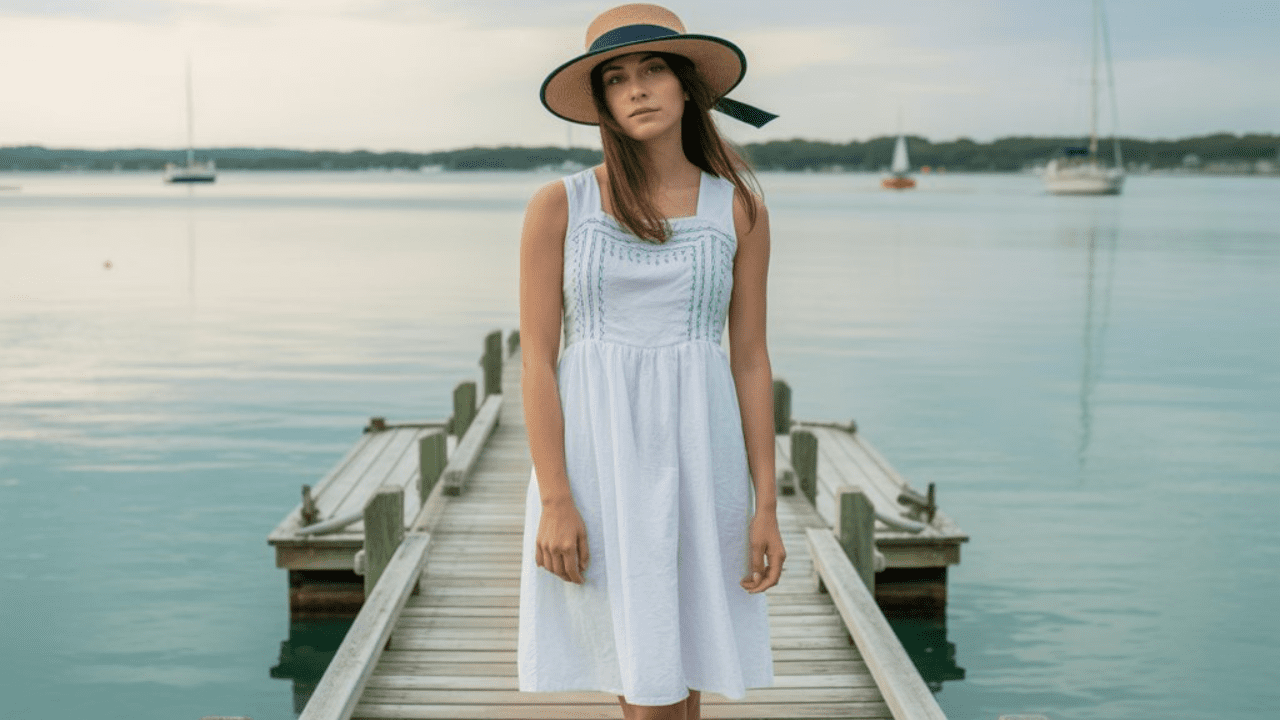
When you think of Nantucket reds, boat shoes, and breezy seaside afternoons, you’re stepping into the world of Cape Cod fashion — a style rooted in New England’s maritime history and beloved across the United States. From striped tees and crisp chinos to lightweight sweaters and loafers, Cape Cod fashion blends practicality with relaxed elegance. It is timeless yet adaptable, reminding us that clothing can express both cultural identity and individual lifestyle.
What Defines Cape Cod Fashion?
Historical Roots
Cape Cod fashion grew out of necessity. Early settlers needed durable fabrics and practical silhouettes for fishing and harsh coastal weather. As Cape Cod became a vacation destination, these utilitarian clothes evolved into leisurewear. Linen, cotton, and seersucker replaced heavy wool, while nautical colors like navy, cream, and white became staples.
Signature Elements
The aesthetic is recognizable: sailor stripes, rope textures, boat collars, and anchor motifs. Pastel chinos, polos, and breathable fabrics dominate summer wardrobes, while lightweight sweaters provide comfort for cool evenings. Footwear leans functional but stylish, with boat shoes and loafers leading the way. Accessories like straw hats, woven belts, and sunglasses add polish.
From Practical to Preppy
By the mid-1900s, Cape Cod fashion shifted from purely practical clothing to a polished “preppy coastal” look. Families like the Kennedys helped popularize it nationwide, showcasing crisp button-downs, pastel sweaters, and Bermuda shorts during summers in Hyannis Port. The look symbolized wealth, leisure, and elegance but never lost its nautical practicality.
In modern times, Cape Cod fashion has embraced sustainability. Eco-friendly fabrics, recycled fibers, and gender-neutral cuts are increasingly common. Local brands also tie fashion to community, ensuring that authenticity and ethics stay at the forefront.
Why Cape Cod Fashion Endures
Cultural Identity
Cape Cod fashion is more than clothing—it is memory and lifestyle. It reflects summers on the beach, lobster dinners, and sailboat rides. Sociologists note that regional clothing often signals belonging. For Cape Codders, it expresses a connection to history and place.
Versatility
Unlike flashy streetwear, Cape Cod fashion is understated and versatile. A striped polo can move from lunch at a dockside café to an evening gathering. Because the pieces are classic, they remain relevant longer, encouraging more sustainable consumption.
Influence Beyond the Cape
The East Coast prep aesthetic has spread far beyond Massachusetts. Pastel polos, clean tailoring, and linen shirts are common across the U.S. The style has even shaped workplace casual fashion, proving its influence well beyond the shoreline.
Expert Perspective
“Local dress codes, such as the Cape Cod preppy aesthetic, endure because they blend utility, identity, and elegance in ways that satisfy both function and aspiration.” — Dr. Beverly Gordon, fashion historian.
Her words capture why this style continues to thrive: it balances comfort, heritage, and aspiration in equal measure.
How to Wear Cape Cod Fashion Today
Building a Cape Cod wardrobe starts with classics: a white Oxford shirt, navy chinos, seersucker shorts, and a striped tee. Add boat shoes, loafers, or espadrilles for footwear. Lightweight sweaters, woven belts, and straw hats bring authenticity to the look.
For summer, lean on breathable linen, pastel polos, and loafers without socks. In cooler months, layer with gingham shirts, quarter-zips, and windbreakers. For formal occasions, a tailored blazer and crisp trousers paired with nautical accessories create relaxed sophistication.
Sustainability remains central. Choosing organic cotton, hemp linen, or recycled fibers aligns the look with modern values. Shopping local or secondhand also ensures authenticity while reducing environmental impact.
Challenges of Cape Cod Fashion
Despite its appeal, the style has challenges. Coastal weather demands functionality, so fabrics must handle sun, wind, and sudden showers. There’s also the risk of cliché: relying too heavily on anchor motifs and pastel polos can feel costume-like. To stay fresh, the style must evolve through cuts, fabrics, and inclusivity. Finally, quality comes at a price, which can make Cape Cod fashion less accessible. Vintage shops and seasonal sales help bridge that gap.
Cape Cod Fashion and Research
While few academic works mention Cape Cod fashion directly, research on regional style and slow fashion supports its significance. Studies show that place-based aesthetics carry meaning beyond trends, while heritage-based styles like maritime prep tend to persist longer than fast fashion. This reinforces Cape Cod fashion’s credibility as more than a passing trend—it is a cultural expression with longevity.
Conclusion
Cape Cod fashion is more than an outfit; it’s a lifestyle statement that blends heritage, elegance, and practicality. Its roots in maritime history give it authenticity, while its preppy evolution makes it aspirational. Today, its emphasis on sustainability, inclusivity, and versatility ensures relevance in modern wardrobes.
By balancing timeless staples with ethical choices, Cape Cod fashion shows how clothing can honor the past while adapting to the future. Ultimately, it is not just about dressing for the Cape—it’s about carrying coastal authenticity wherever life takes you.




Pingback: Rihanna Tour 2025: Shocking Comeback Secrets Revealed